Skip to content

Table of Contents
If “salmon DNA” has been showing up in your feed, you’re not imagining it. People keep sharing it, influencers keep reacting to it, and now it’s spilling into everyday conversations at med spas. The name alone raises questions, especially if you’ve never tried microneedling or only had classic facials before.
At Homa Rejuvenation, we offer Salmon DNA Facial Therapy. Salmon DNA Facial Therapy refers to skin-focused treatments that use polynucleotides, often called PDRN, sourced from salmon DNA. If you are seeking Salmon DNA Microneedling in Altamonte Springs, FL, our medical team will help you determine whether this Salmon DNA anti-aging facial aligns with your aesthetic goals.
How The Treatment Works
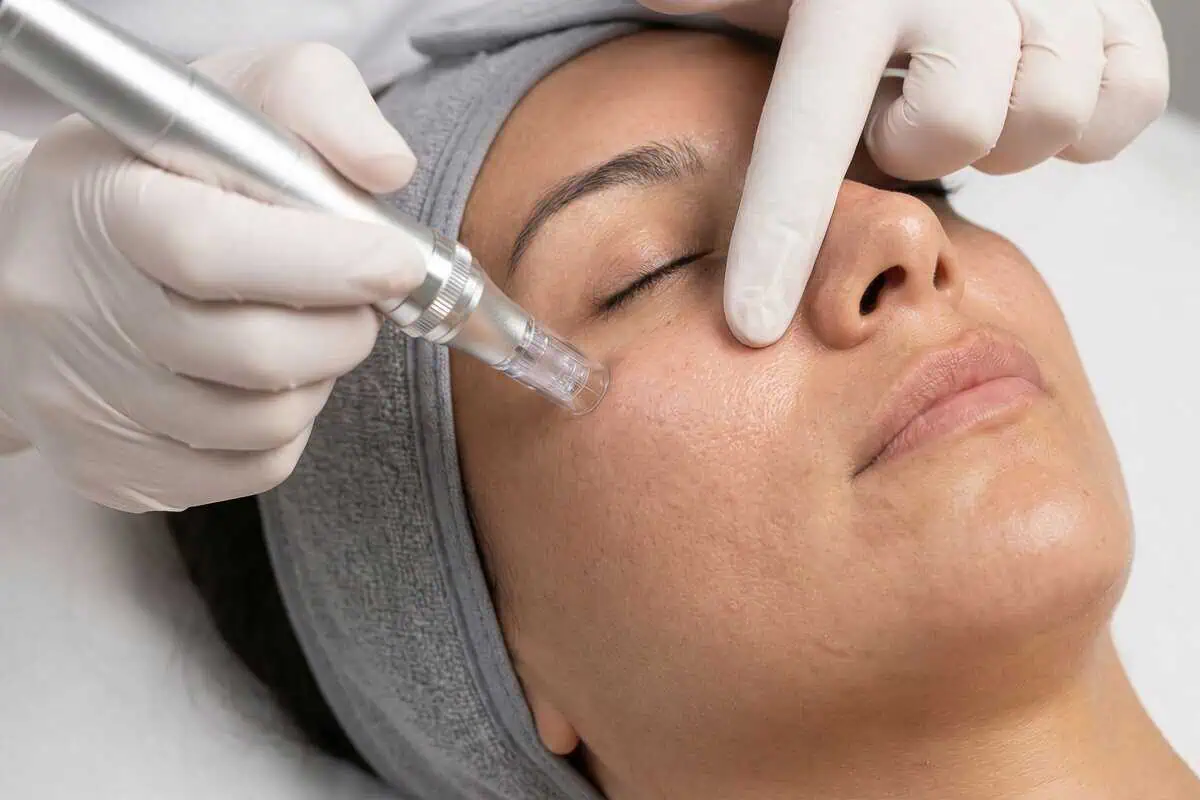
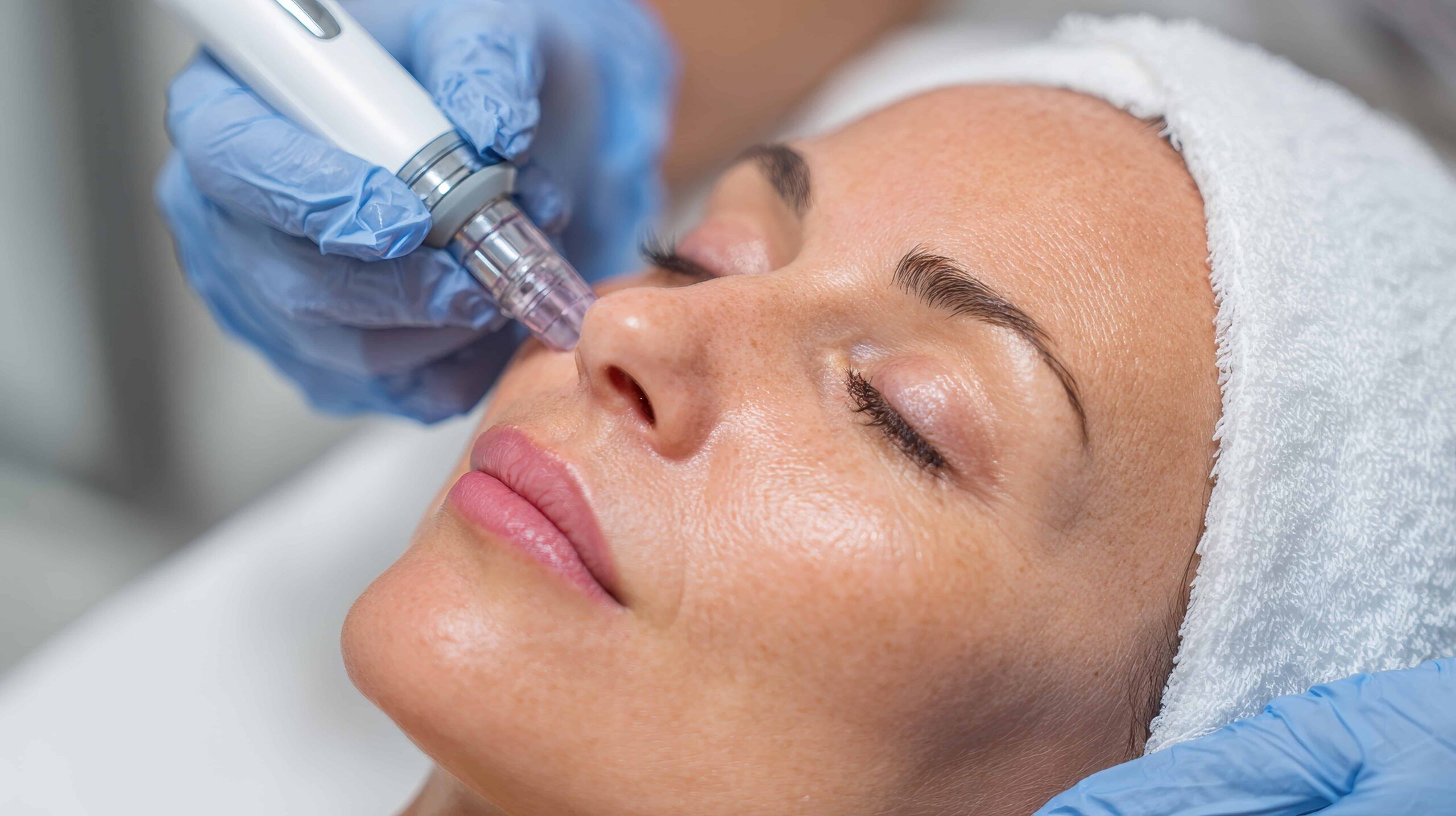
People often overcomplicate this topic, so here’s the simple picture. Microneedling creates controlled microchannels in the skin. Your skin responds by going into recovery mode, which is part of why microneedling has such a strong reputation for texture-focused goals. The provider at Homa Rejuvenation then applies a salmon DNA-derived serum during the process, so the skin absorbs those ingredients while it heals.
You can think of it as targeted support during recovery. Patients often describe the goal in everyday terms, such as “I want my skin to look smoother,” “my makeup sits weird on my cheeks,” or “my skin looks dull even when I sleep.”
This is where terms like Microneedling with salmon DNA and Salmon DNA skin repair treatment come from. People want a plan that supports the skin’s ability to recover and look better afterward, especially when they deal with uneven texture or dryness that never fully goes away.
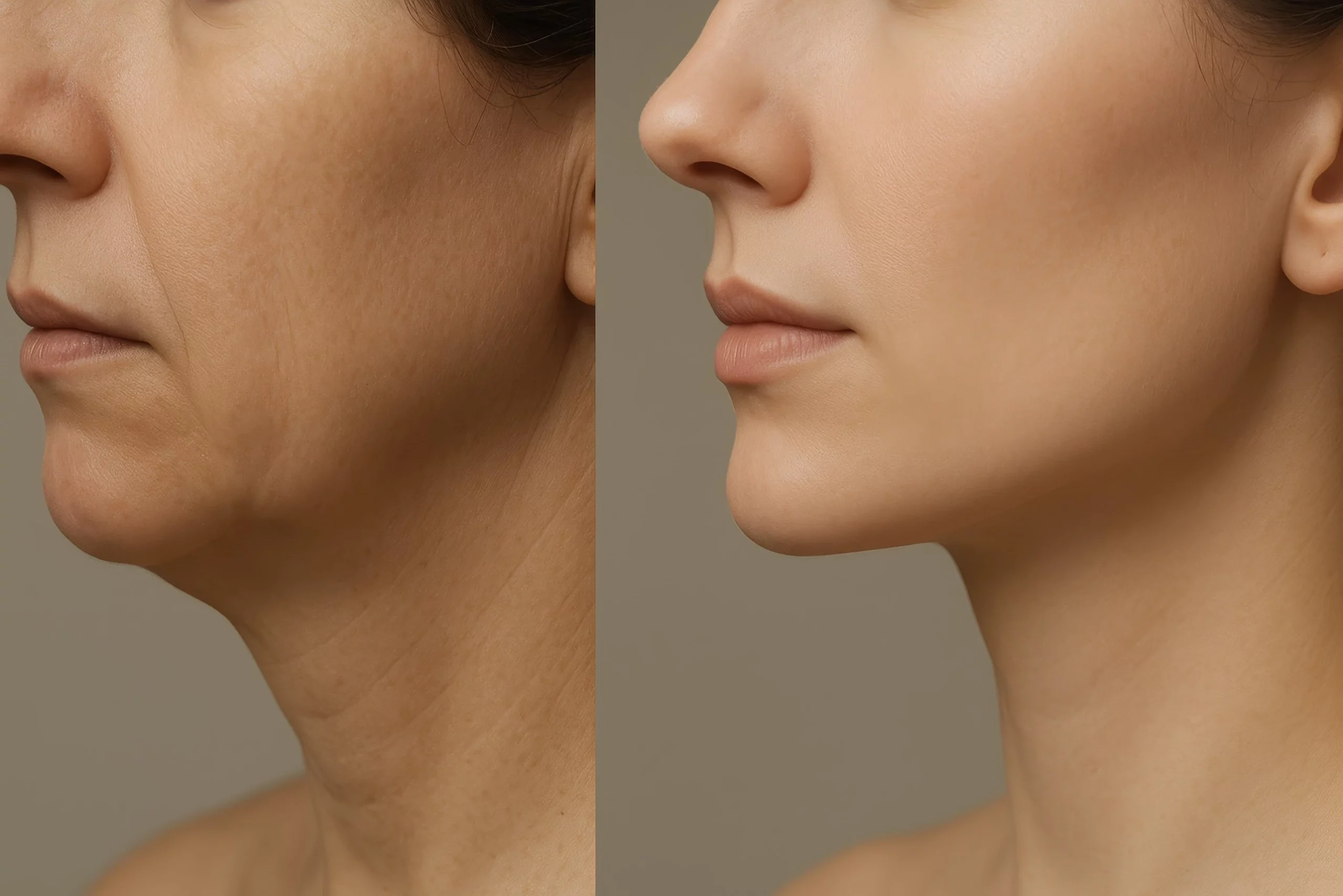
You’ll also see people call it a collagen-boosting facial therapy. Microneedling can support collagen production, and many providers position salmon DNA microneedling as a way to improve firmness and the appearance of fine lines over time.
If you want the practical takeaway, focus on this:
- Microneedling triggers a controlled recovery response
- The serum supports hydration and visible skin quality as the skin heals
- Results build gradually, especially for texture and fine lines
Why It’s Trending Right Now
This trend didn’t explode because of one single reason. It grew because it checks several boxes that matter to modern skincare clients.
- First, the name creates instant curiosity. People share it because it sounds unusual. That brings clicks, reactions, and lots of “wait, what is that?” moments. Then people search for it, find real protocols behind the name, and book consultations to see if it matches their skin concerns.
- Second, many people feel burned out by aggressive trends. They want improvements, but they also want treatments that feel supportive, not punishing. When someone has tried harsh actives, over-exfoliated at home, or dealt with sensitivity flare-ups, a treatment framed around hydration and recovery can feel more approachable.
- Third, the “glass skin” conversation continues to influence what clients want. Even if someone never follows K-beauty routines, they still love the idea of smoother texture, refined-looking pores, and skin that looks naturally radiant. Polynucleotide/PDRN-focused messaging aligns with that desire for overall skin quality.
- Finally, many clients want “in-between” options. They might not want a heavy treatment every month, but they do want something that keeps skin looking fresh and healthy. A protocol that supports recovery and texture fits into that maintenance mindset.
What Concerns People Commonly Try To Improve With It
People don’t book this because they want a trendy label. They book it because they want to improve something specific they see in the mirror. The most common concerns connect to skin quality, not dramatic facial changes.
Clients often look for help with:
- Rough or uneven texture that shows up under sunlight or makeup
- Visible pores that make the skin look less smooth
- Early signs of aging, especially fine lines that show up when the skin feels dry
- The look of acne scars or unevenness from past breakouts
- Dullness that makes skin look tired even on good days
- Uneven tone, including areas of visible hyperpigmentation
This is why the phrase ” wrinkle reduction facial treatment shows up so often in searches. People want a realistic approach to softening the appearance of fine lines and improving the overall skin surface. They also search for treatment for fine lines and wrinkles because they want to know if this can help without pushing them into something that feels like a big leap.
A helpful way to think about it is this: if your main goal is to improve the overall look and feel of your skin, you’re in the right category. If your goal involves changing facial volume or reshaping features, you’ll need a different conversation with your provider.
What to Expect
Trying something new can feel intimidating. Most people ask the same questions first: “Will it hurt?” and “Will I look scary afterward?”
During salmon DNA microneedling, providers typically apply a numbing cream beforehand. That step makes a huge difference for comfort. Many clients describe microneedling as manageable, though you may still feel mild discomfort, depending on your sensitivity and the area being treated.
The appointment usually takes about 30 to 60 minutes, depending on the treatment area and the protocol your provider uses.
After the session, you can expect temporary changes as your skin starts to recover. Many people experience mild redness, a warm feeling, or slight swelling. These effects often fade within hours to a couple of days, though everyone’s skin responds differently.
Here’s what helps most people set realistic expectations:
- You may notice your skin looks more hydrated and “fresh” relatively soon
- Texture and fine-line improvements take time because they rely on the skin’s recovery process
- A series often gives more noticeable results than a one-time appointment
If you’re specifically interested in Microneedling with salmon DNA, ask your provider about timing. Many clinics recommend spacing sessions several weeks apart, commonly every 4 to 6 weeks, then adjusting based on how your skin responds.
Who It May Be A Good Fit For And When To Skip It
This treatment often works well for people who want visible improvement in texture, hydration, and overall skin quality. It can also appeal to people who want a refreshed look that still feels like them, not a sudden change.
You may be a strong candidate if you:
- Want smoother-looking skin and a more even surface
- Feel frustrated by dullness or dryness that topical products don’t fully solve
- Want a supportive option for early aging concerns
- Want a plan that targets skin quality, not facial shape
Glow Up Your Skin
Homa Rejuvenation offers salmon DNA microneedling to support smoother texture, better hydration, and healthier-looking skin using a serum rich in Polynucleotides (PDRNs) and skin-supportive ingredients. If you want a plan that aligns with your goals and skin’s needs, book a consultation to discuss your options.
Rejuvenate and revitalize your skin today!